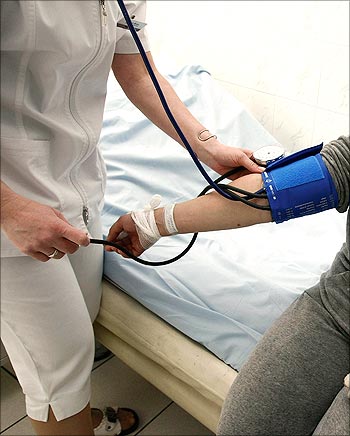
High blood pressure, also known as hypertension, is the most common cardiovascular disease. Blood pressure refers to the force of blood pushing against artery walls as it courses through the body. Each time heart beats, it pumps out blood into the arteries. Blood pressure is highest when the heart beats, pumping the blood. This is called systolic pressure. When the heart is at rest, between beats, the blood pressure falls. This is the diastolic pressure.
Most people with high blood pressure have no signs or symptoms. Although a few people with early-stage high blood pressure may have dull headaches, dizzy spells or a few more nosebleeds than normal, these signs and symptoms typically don't occur until high blood pressure has reached an advanced - even life-threatening - stage.
Normal blood pressure is 120/80, where 120 is the systolic (maximum) blood pressure and 80 is the diastolic (minimum) blood pressure. When systolic blood pressure is above 140mm Hg or when diastolic blood pressure is above 90mm Hg, blood pressure is considered high. Hypertension may be caused by a variety of reasons such as: heredity, your genes, high salt in your diet, not being active, obesity, excessive alcohol intake and/or low potassium in your diet.
Disclaimer: This information is for informational purpose only.
Hypertension is an all too common condition in today's hectic society. With many people being overweight, eating a poor diet, and experiencing high stress levels, blood pressure problems will likely remain a reality.
Although some people are genetically predisposed to hypertension, there's plenty of evidence that a healthy life style and good nutrition can help during hypertension. Here are a few tips to get you started:
A number of common vegetables and spices have beneficial effects in controlling hypertension. Incorporate these into your cooking:
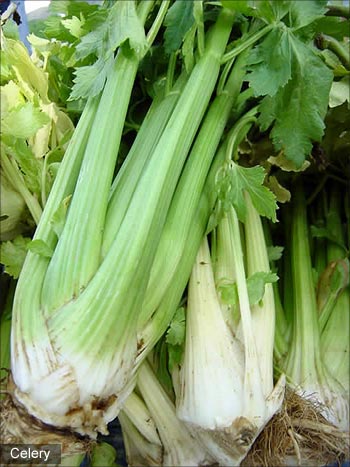
Celery (ajmud): Oriental medicine practitioners have long used celery for lowering high blood pressure. There are some experimental evidence that shows that celery is useful for this. In one animal study, laboratory animals injected with celery extract showed lowered blood pressure.
Eating as few as four celery stalks a day was found to be beneficial in lowering blood pressure in human beings. However, celery does contain sodium and other compounds that can have negative effects when large amounts are ingested.
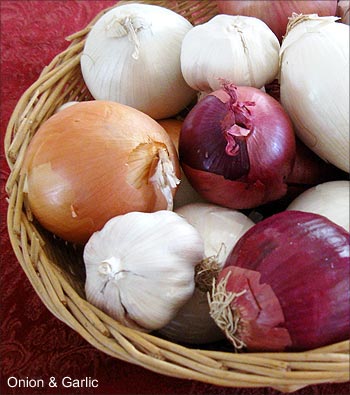
Garlic
Garlic is a wonder drug for heart. It has beneficial effects in all cardiovascular system including blood pressure.
In a study, when people with high blood pressure were given one clove of garlic a day for 12 weeks, their diastolic blood pressure and cholesterol levels were significantly reduced. Eating quantities as small as one clove of garlic a day was found to have beneficial effects on managing hypertension.
Use garlic in your cooking, salad, soup, pickles, etc. It is very versatile.
Onion
Onions are useful in hypertension. Two to three tablespoons of onion essential oil a day was found to lower the systolic levels by an average of 25 points and the diastolic levels by 15 points in hypertension subjects.
This should not be surprising because onion is a cousin of garlic.
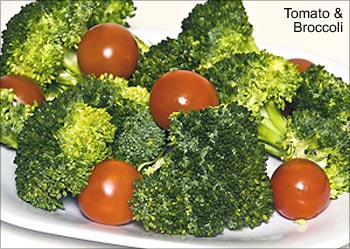
Tomato
Tomatoes are high in gamma-amino butyric acid (GABA), a compound that can help bring down blood pressure.
Broccoli (hari phoolgobhi)
Glucoraphanin, also known as sulforaphane glucosinolate (SGS), a naturally-occurring compound found in broccoli sprouts and broccoli, help reduce the risk of high blood pressure, cardiovascular disease and stroke.
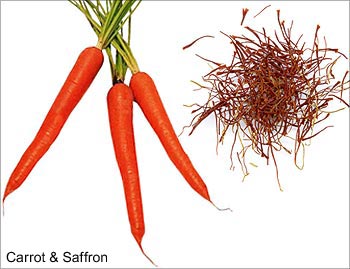
Carrot
Carrots are high in potassium, which can help prevent and control high blood pressure.
They are also high in beta-carotene, which studies show can reduce the risk of heart disease leading to high blood pressure. Carrot juice helps to maintain normal blood pressure by regulating heart and kidney functions.
A recommended dose is a 240 ml blend of one part celery juice, one part carrot juice and one part water, taken at least once a day.
Saffron (kesar)
Saffron contains a chemical called crocetin that lowers the blood pressure. You can use saffron in your cooking. (It is a very popular spice in Arabic cooking).
You can also make a tea with it. Many Indians add a pinch of saffron in the brewed tea to give a heavenly flavor. Unfortunately, it is very expensive.
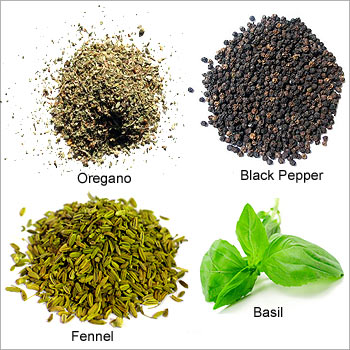
Spices such as fennel (saunf), oregano (ajwain), black pepper (kali mirch) and basil (tulsi) have active ingredients that are beneficial in hypertension. Use them in your cooking.
The link between hypertension and diet is irrefutable.
Generally speaking, making small changes to one's diet is one of the best ways of dealing with something as unspecified in origin as hypertension, and natural treatment of the condition addresses that which contributes to hypertension.

 © 2025 Rediff.com - Investor Information - Advertise with us - Disclaimer - Privacy Policy - Feedback - About us - Terms of use - Grievances